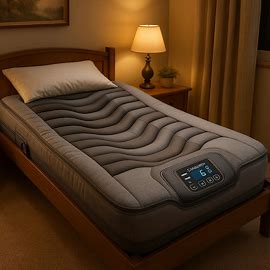
Ultraviolet sterilizer
أكتوبر 23, 2025 2025-10-24 13:15Ultraviolet sterilizer

Ultraviolet sterilizer
Ultraviolet sterilizer An ultraviolet (UV) sterilizer is a powerful and environmentally friendly device used to eliminate harmful microorganisms such as bacteria, viruses, and fungi. It relies on ultraviolet light, particularly the UV-C wavelength, to destroy the DNA and RNA of pathogens, rendering them inactive and unable to reproduce. This advanced sterilization method has become increasingly popular in medical facilities, laboratories, households, and even water purification systems due to its high efficiency and chemical-free operation.
How Ultraviolet Sterilization Works
Ultraviolet sterilization works by exposing surfaces, air, or liquids to UV-C light, which has a wavelength between 200–280 nanometers. When microorganisms are exposed to this light, their genetic material absorbs the energy, leading to structural damage in their nucleic acids. This process effectively kills or inactivates the microorganisms, ensuring that they cannot multiply or cause infections.
Unlike traditional chemical disinfectants, UV sterilizers do not require contact with the surface or the use of harmful substances, making the process safe, fast, and residue-free.
Types of Ultraviolet Sterilizers
- UV Water Sterilizers: Commonly used in hospitals, laboratories, and homes to disinfect water, removing harmful pathogens such as E. coli and viruses without altering the taste or chemical composition of the water.
- UV Air Sterilizers: Installed in HVAC systems or used as portable units to purify indoor air, making them valuable in hospitals, offices, and homes for controlling airborne diseases.
- UV Surface Sterilizers: Used to disinfect medical instruments, phones, keyboards, and other frequently touched objects, ensuring a sterile environment in hospitals and clinics.
- UV Sterilization Boxes and Wands: Compact and portable devices used for sanitizing small personal items like masks, glasses, and mobile phones—ideal for daily hygiene.
Benefits of Using Ultraviolet Sterilizers
- Chemical-Free Disinfection: UV sterilization does not rely on toxic chemicals, making it environmentally friendly and safe for most materials.
- High Efficiency: It destroys up to 99.9% of microorganisms within seconds or minutes, offering rapid and thorough sterilization.
- Low Maintenance: Once installed, UV systems require minimal maintenance compared to traditional cleaning or disinfection methods.
- No Residue: Unlike chemical disinfectants, UV light leaves no residue or odor behind.
- Cost-Effective: Over time, it reduces the need for costly disinfectants and frequent replacements.
Applications in Healthcare and Daily Life
In the medical field, ultraviolet sterilizers are essential for maintaining sterile environments in hospitals, clinics, and laboratories. They are used to disinfect surgical tools, hospital rooms, and air systems, reducing the risk of healthcare-associated infections (HAIs).
In domestic use, UV sterilizers are popular for purifying drinking water, sanitizing baby bottles, and sterilizing household items, especially during global health crises. Many modern homes and businesses use UV air purifiers to maintain healthy indoor air quality.
UV sterilizers are also widely used in industries such as food processing, pharmaceuticals, and aquaculture, where hygiene and contamination control are critical.
Safety Considerations
While UV sterilizers are highly effective, direct exposure to UV-C light can be harmful to skin and eyes. Therefore, devices are often equipped with safety mechanisms such as automatic shutoff when the lid is open or when motion is detected. Proper training and protective gear are also recommended in professional environments.
Conclusion
The ultraviolet sterilizer represents a breakthrough in modern disinfection technology. By using light to destroy harmful microorganisms, it provides a fast, reliable, and eco-friendly method for sterilization across a wide range of applications. Whether in hospitals, laboratories, or homes, UV sterilization plays a vital role in ensuring hygiene, preventing infections, and promoting a cleaner, safer environment for everyone.