Healthcare equipment
أغسطس 18, 2025 2025-08-18 8:58Healthcare equipment

Healthcare equipment
Healthcare equipment is one of the most vital components of modern medicine, supporting doctors, nurses, and caregivers in delivering effective treatment and patient care. From simple instruments such as thermometers and blood pressure cuffs to highly advanced machines like CT scanners, ventilators, and robotic surgical systems, healthcare equipment has transformed the way medical services are provided. Without these essential tools, diagnosing diseases, performing surgeries, and monitoring patient recovery would be nearly impossible.
Importance of Healthcare Equipment
Healthcare equipment plays a central role in ensuring that patients receive accurate diagnoses, safe treatments, and continuous monitoring. It allows healthcare providers to deliver faster and more effective care, while also improving patient safety and outcomes. In emergency situations, life-saving equipment such as defibrillators, oxygen systems, and ventilators can make the difference between life and death.
Categories of Healthcare Equipment
Healthcare equipment can be divided into several main categories depending on its function and use:
1. Diagnostic Equipment
Diagnostic tools are used to detect and identify medical conditions. Examples include X-ray machines, MRI scanners, ultrasound devices, and blood glucose monitors. They help doctors find health problems early, leading to better treatment results.
2. Therapeutic Equipment
Therapeutic equipment is used to support or restore patients’ health. Examples include infusion pumps, dialysis machines, and physical therapy devices. These tools assist in long-term treatments and rehabilitation.
3. Surgical Equipment
Operating rooms rely on specialized equipment such as anesthesia machines, endoscopes, and surgical lasers. These devices allow surgeons to perform precise, minimally invasive procedures that speed up recovery and reduce risks.
4. Monitoring Equipment
Monitoring devices track patient health and vital signs. ECG monitors, pulse oximeters, and ICU monitoring systems provide real-time data, helping medical staff respond quickly to any changes in a patient’s condition.
5. Durable Medical Equipment (DME)
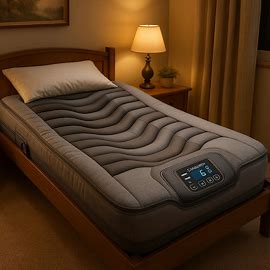
This type includes long-term use items like wheelchairs, hospital beds, crutches, and home oxygen systems. DME is especially important for elderly patients and those with chronic illnesses, as it improves comfort and mobility.
The Impact of Technology on Healthcare Equipment
Technology has revolutionized healthcare equipment, making it more efficient, accurate, and patient-friendly. Wearable devices now allow patients to monitor their heart rate, oxygen levels, and physical activity at home. Artificial intelligence (AI) is being integrated into diagnostic machines, providing faster and more reliable results. Telehealth solutions supported by connected equipment enable remote care, reducing the need for frequent hospital visits.
Challenges in the Healthcare Equipment Industry
Despite its benefits, the healthcare equipment sector faces challenges. High costs can limit access to advanced machines, especially in developing countries. Regular maintenance and staff training are also essential to ensure equipment safety and accuracy. Furthermore, cybersecurity risks are growing with the rise of connected medical devices, making data protection a top priority.
The Future of Healthcare Equipment
The future of healthcare equipment looks promising, with innovations focusing on personalization, efficiency, and sustainability. Robotics, AI, and 3D printing are expected to play a larger role in surgeries, prosthetics, and medical imaging. Portable and home-based healthcare equipment will continue to empower patients, allowing them to take greater control of their health.
Conclusion
Healthcare equipment is the backbone of modern medical practice, ensuring accurate diagnosis, effective treatment, and patient safety. From basic tools to advanced technologies, these devices have transformed healthcare delivery. As technology evolves, healthcare equipment will become smarter, more accessible, and more patient-focused, paving the way for a healthier and more efficient future.