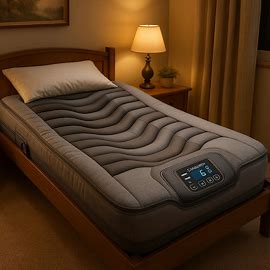
Hospital equipment
أغسطس 20, 2025 2025-09-29 14:59Hospital equipment

Hospital equipment
Hospital equipment plays a crucial role in providing quality healthcare services and ensuring the safety and well-being of patients. From basic tools to highly advanced machines, every piece of hospital equipment is designed to serve a specific purpose in diagnosis, treatment, monitoring, and patient care. Understanding the importance of hospital equipment is essential not only for healthcare professionals but also for patients who rely on these tools for proper medical attention.
Importance of Hospital Equipment
Hospital equipment is the backbone of modern healthcare. Without reliable and efficient equipment, doctors and nurses cannot perform their duties effectively. Medical tools and devices allow healthcare providers to make accurate diagnoses, perform surgeries, and monitor patient recovery. They also ensure hygiene, reduce the risk of infection, and improve the overall patient experience. For this reason, hospitals and clinics invest heavily in acquiring and maintaining high-quality equipment.
Categories of Hospital Equipment
Hospital equipment can be divided into several categories based on its use and purpose. Below are the main types:
1. Diagnostic Equipment
Diagnostic equipment is used to identify diseases and medical conditions. Common examples include:
- X-ray machines for detecting fractures and internal injuries.
- Ultrasound machines for monitoring pregnancies and internal organs.
- MRI and CT scanners for detailed imaging of the body.
These tools help doctors find accurate causes of symptoms and create effective treatment plans.
2. Surgical Equipment
Surgical equipment is essential for operations and invasive procedures. This category includes:
- Scalpels, forceps, and scissors for precision cutting and handling tissues.
- Operating tables and lights to create a safe surgical environment.
- Anesthesia machines that keep patients comfortable during surgery.
Modern surgical equipment ensures safety, accuracy, and reduced recovery time for patients.
3. Patient Monitoring Equipment
Monitoring devices are crucial for keeping track of a patient’s vital signs. These include:
- ECG machines to monitor heart activity.
- Blood pressure monitors to detect hypertension or low blood pressure.
- Pulse oximeters to measure oxygen levels in the blood.
This type of hospital equipment helps medical staff detect emergencies early and provide immediate care.
4. Life Support Equipment
Life support equipment is used in critical care situations where patients cannot survive without assistance. Examples are:
- Ventilators for patients who cannot breathe on their own.
- Dialysis machines for patients with kidney failure.
- Defibrillators to restore heart rhythm in cardiac arrest cases.
Such equipment is vital in saving lives during medical emergencies.
5. General Hospital Equipment
Besides advanced technology, hospitals also rely on basic tools that are equally important. These include:
- Hospital beds and stretchers for patient comfort and mobility.
- Sterilizers and disinfecting tools to maintain hygiene.
- Infusion pumps and IV stands for delivering fluids and medications.
These everyday items form the foundation of patient care in any healthcare facility.
The Role of Technology in Hospital Equipment
Technology has transformed hospital equipment, making it more advanced and efficient. Smart devices now allow real-time data sharing, remote monitoring, and better integration between hospital departments. Artificial intelligence is also being used to analyze diagnostic results, which helps doctors make faster and more accurate decisions. This progress has improved patient outcomes and reduced human error in healthcare.
Conclusion
Hospital equipment is an indispensable part of the healthcare system. From diagnostic machines to life support devices, every tool plays a significant role in saving lives and improving patient care. As technology continues to advance, hospitals will benefit from more innovative and reliable equipment, ensuring better treatment and healthier outcomes for patients worldwide. Investing in high-quality hospital equipment is not just a necessity but also a commitment to providing the best possible healthcare services.