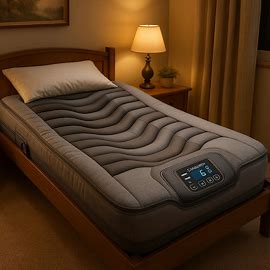
Diagnostic medical devices
أكتوبر 23, 2025 2025-10-24 13:46Diagnostic medical devices

Diagnostic medical devices
Diagnostic medical devices In the modern healthcare system, diagnostic medical devices play a crucial role in detecting, monitoring, and managing diseases. These tools enable doctors to identify medical conditions accurately and at an early stage, improving patient outcomes and reducing the risk of complications. From simple thermometers to advanced imaging systems, diagnostic medical devices are the foundation upon which effective medical care is built.
What Are Diagnostic Medical Devices?
Diagnostic medical devices are instruments, machines, or systems used to examine the body and gather data about a patient’s health condition. They help healthcare professionals make informed decisions regarding diagnosis, treatment, and disease prevention.
These devices can be used in hospitals, clinics, laboratories, and even at home, depending on their type and purpose. They vary in complexity—from basic tools like stethoscopes and blood pressure monitors to sophisticated technologies like MRI scanners and digital imaging systems.
Types of Diagnostic Medical Devices
- Basic Diagnostic Tools
- Common instruments such as thermometers, stethoscopes, and sphygmomanometers (blood pressure monitors) are used for routine health checks.
- Imaging Devices
- Equipment like X-ray machines, CT scanners, MRI systems, and ultrasound devices allow healthcare professionals to see inside the body without surgery. These technologies are essential for diagnosing fractures, tumors, and internal organ conditions.
- Laboratory Diagnostic Devices
- Instruments such as blood analyzers, urine test kits, and DNA testing machines provide critical data for detecting infections, genetic disorders, and metabolic diseases.
- Cardiovascular Diagnostic Devices
- Tools like electrocardiograms (ECG) and echocardiograms help monitor heart activity and detect cardiac irregularities.
- Home Diagnostic Devices
- Devices such as glucometers, digital thermometers, pulse oximeters, and pregnancy tests allow individuals to monitor their health easily and accurately at home.
Benefits of Diagnostic Medical Devices
- Early Disease Detection
Early diagnosis allows for timely treatment, improving the chances of recovery and reducing healthcare costs. - Accurate and Reliable Results
Modern devices use advanced technology to provide precise measurements, ensuring doctors make the right decisions. - Non-Invasive Monitoring
Many diagnostic tools offer safe and non-invasive methods to assess health conditions without the need for surgery. - Improved Patient Care
With accurate diagnostic data, doctors can tailor treatment plans to meet individual patient needs. - Convenience and Accessibility
Portable and home-based diagnostic devices make it easier for patients to track their health between medical visits.
The Role of Technology in Diagnostics
Recent innovations in artificial intelligence (AI), digital health, and telemedicine have revolutionized diagnostic devices. AI-powered imaging systems can detect abnormalities with remarkable precision, while wearable diagnostic devices—such as smartwatches that monitor heart rate or oxygen levels—allow real-time health tracking. These advancements make healthcare more personalized, efficient, and accessible to everyone.
Conclusion
Diagnostic medical devices are the backbone of healthcare, guiding doctors in every step of patient care—from detection to treatment and follow-up. They empower both medical professionals and patients with vital information, enabling early intervention and better outcomes. As technology continues to evolve, the future of diagnostic devices promises even greater accuracy, connectivity, and accessibility, ensuring that quality healthcare is always within reach.