Pregnancy diabetes
May 24, 2023 2023-09-18 15:56Pregnancy diabetes
Pregnancy diabetes
Pregnancy diabetes
What is diabetes?
Diabetes mellitus occurs when the level of sugar (glucose) in the blood becomes higher than normal.
There are two main types of diabetes. These are called type 1 diabetes and type 2 diabetes.
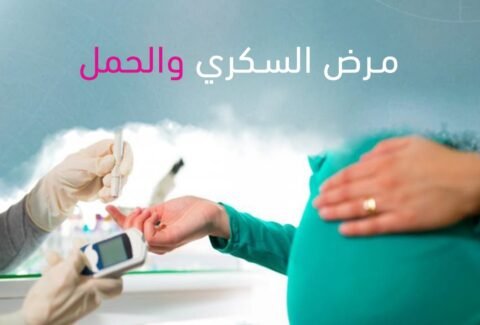
Sometimes pregnancy causes the blood sugar to rise in women who do not have diabetes.
This is called gestational diabetes
How does pregnancy affect diabetes?
Pregnancy makes the body need more insulin to control the levels of sugar (glucose) in the body.
Therefore, women with diabetes usually need more treatments to control their blood sugar when they are pregnant.
If the diabetes is not well controlled during the pregnancy this may cause harm for both you and your baby.
Therefore you will need more regular check-ups with a doctor, and to see a specialist during the pregnancy.
This will help to reduce the risks and help you to stay well and have a healthy baby.
What is gestational diabetes?
Gestational diabetes mellitus (GDM) is a term for diabetes which starts for the first time during pregnancy.
It usually resolves soon after the woman gives birth.
Research shows that GDM occurs in between 2%:10% of all pregnancies.
GDM usually starts in the second half of pregnancy.
The risks of having GDM for you and your baby are similar to those for mothers who have known diabetes,
such as difficulties with giving birth and a higher chance of needing a Cesarean section.
Risk factors
GDM is more common for women at an older age when pregnant, women who are overweight (BMI above 30) and women who smoke.
There is also an increased risk for
- Women who have had GDM in previous pregnancies.
- Where there has been a short time interval between pregnancies.
- Women who have had a previous unexplained stillbirth.
- who have had a previous baby with very high birth weight (4.5 kg or more).
- Women with an immediate family member (brother, sister or parent) with diabetes.
The glucose tolerance test (GTT) can be used to test for GDM.
Woman who have had GDM in a previous pregnancy should be offered early self-monitoring of blood sugar (glucose) or a two-hour 75 g GTT as soon as possible after the first antenatal appointment.
This is followed by a repeat GTT at 24-28 weeks of pregnancy if the first test is normal.
treatment
GDM can cause serious consequences for you and your baby but these can be greatly reduced by treatment.
Treatment includes following advice about diet and physical activity. Medicines to lower your blood sugar levels may be required.
The medicines may be tablets but insulin injections may also be needed.
After your pregnancy
Insulin and other medicines to control your blood sugar are usually stopped immediately after delivery.
Most women with GDM recover after the pregnancy but there is an increased (2 in 3) risk of it returning in a future pregnancy.
Women who have had GDM are at increased risk of developing diabetes in the future.
It is recommended that women with GDM
- Avoid being overweight.
- Take regular exercise.
- Don’t smoke.
- Try to avoid having pregnancies with only a short time (for example, a few months) between each pregnancy.
- Attend the six-week postpartum check and have a blood sugar test taken.
- Have their blood sugar level checked each year.
Follow us in the next article to continue
What is the advice for women who have diabetes before pregnancy?
What are the risks of having diabetes during pregnancy?
to get best blood glucose device here