
Cervical cancer Causes, factors and treatment
May 2, 2024 2024-05-04 13:21Cervical cancer Causes, factors and treatment
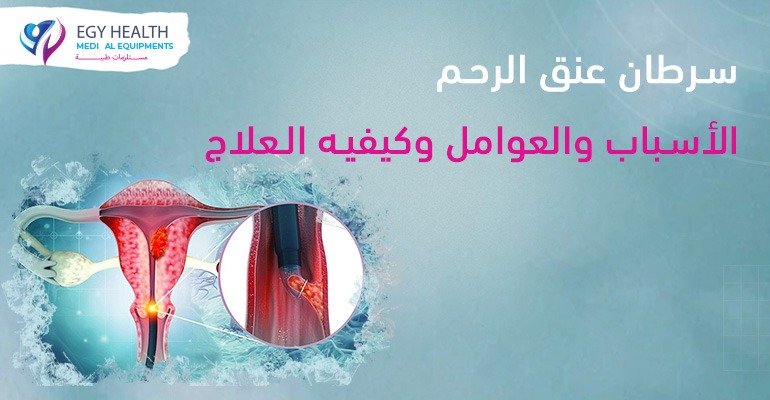
Cervical cancer Causes, factors and treatment
Cervical cancer is one of the most difficult types of cancer, and it affects the lower part of the uterus, which connects the body of the uterus to the vagina
The human papillomavirus (HPV) is responsible for it
It is considered one of the most difficult cancers to affect women, as its mortality rate reaches 63%.
The Reasons
HPV is a common sexually transmitted infection that can affect the skin, genital area, and throat.
Almost all sexually active people have it at some point in their lives, and they usually have no symptoms.
In most cases, the immune system eliminates HPV from the body. Persistent infection with high-risk HPV can lead to the growth of abnormal cells,
which continue to grow until they turn into cancer.
Persistent HPV infection of the cervix
(the lower part of the uterus, which opens into the vagina – also called the birth canal) if
left untreated, causes 95% of cervical cancer cases. Normally, it takes 15 to 20 years for abnormal cells to turn into cancer,
but in women with a weakened immune system, such as untreated HIV infection, this process can be faster and take 5 to 10 years. Risk factors for cancer progression include the degree of tumorigenesis characteristic of the HPV type,
immune status, presence of other sexually transmitted disease infections, number of births, young age at first pregnancy,
use of hormonal contraceptives, and smoking.
What are the causes of cervical cancer?!
There are several factors that increase the risk of cervical cancer, including:
Human papillomavirus (HPV): Infection with HPV is the most common factor that increases the risk of cervical cancer.
– Smoking: Smoking greatly increases the risk of cervical cancer.
Weak immune system: A weak immune system increases the risk of cervical cancer, as it is difficult for the immune system to fight the HPV virus.
– Family history: If your family has a history of cervical cancer, there may be an increased risk.
Diet: Some research indicates that a diet high in fat and poor in fruits and vegetables may increase the risk of cervical cancer.
– Use of dairy products: There are some studies that indicate that excessive use of dairy products may increase the risk of cervical cancer, but there are not enough studies to confirm this trend conclusively.
Cervical cancer is one of the most common sexually transmitted viruses…
– 99% of cervical cancer cases are due to infection with high-risk human papillomavirus
Therefore, early detection is necessary to prevent its complications
What are the methods of prevention and treatment of cervical cancer?
Cervical cancer is considered one of the most treatable types of cancer, so:
Increasing public awareness and access to information and services must be essential elements for preventing and controlling disease at various stages of life.
– It must be detected early to facilitate the treatment process
– Get vaccinated against human papilloma virus
Early detection, diagnosis and treatment of cervical cancer
Cervical cancer can be cured if it is diagnosed and treated at an early stage of the disease. Recognizing symptoms and seeking medical advice to address any concerns is a crucial step. Women should see a health care professional if they notice the following:
Unusual bleeding between periods, after menopause, or after sexual intercourse;
Increased or foul-smelling vaginal discharge;
Symptoms such as persistent pain in the back, legs, or pelvis;
Weight loss, fatigue and loss of appetite;
vaginal discomfort;
Swelling in the legs.
Cervical cancer vaccination
Cervical cancer and genital cancers may be caused by infection with the papilloma virus or HPV.
This virus is transmitted by touch only.
This means that if a healthy person touches the infected area of the last carrier of the virus, the infection can be transmitted to him.
In women, the disease can develop and cause cervical cancer.
– Men can also be carriers of the virus or suffer from genital cysts.
There are two types of vaccination in Egypt
A type for women only that protects against cervical cancer
The second type for women and men protects against reproductive disorders and cervical cancer
Vaccination: two or three doses, depending on age
It can be taken from the age of nine years
There are no contraindications other than high temperature for the vaccine recipient.
Vaccination is available in health centers affiliated with the Ministry of Health and also in the Vacsera serum and vaccine form
There is an initiative by the President of the Republic for early detection and treatment of cancerous tumors, which includes detecting tumors
Lung – colon – cervix – prostate
Come down and check yourself
Please do a questionnaire first to find out the rest of the steps to check on your health, through
– Call 15335 to fill out the questionnaire through a phone call with the initiative’s medical team
– Go to the nearest health unit to fill out the questionnaire
for more Medical advices


